What Makes One Malibu Home Worth More Than Another?
Two Malibu homes with similar square footage can have very different market values. Their precise location, views, usable land, design, condition, and documented property rights all deserve consideration—but the value of those differences needs support from comparable sales.
For sellers, the goal is to understand how prospective buyers will compare your home with their other choices. That starts with looking closely at the property and the evidence behind its proposed price.
Location Begins With the Specific Property
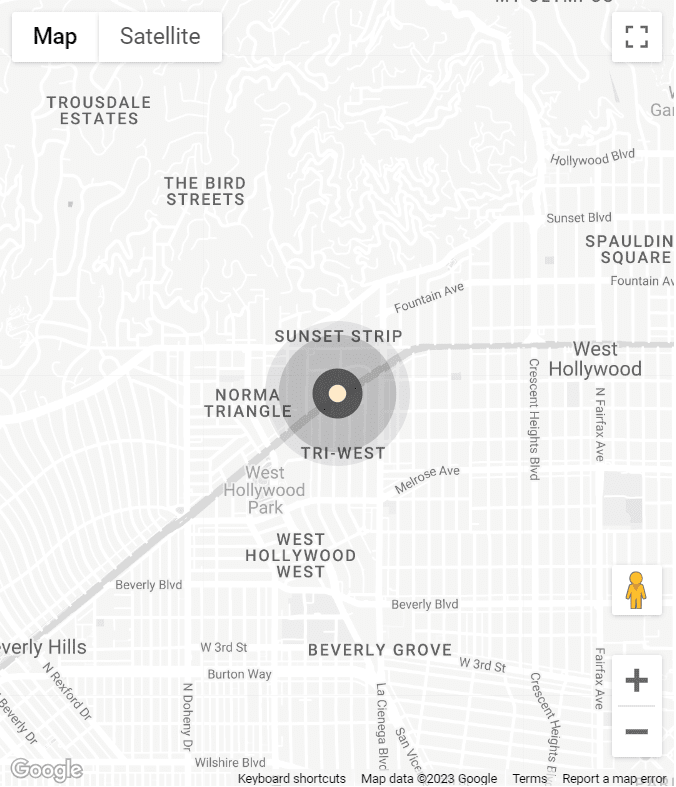
A Malibu address is a starting point for a pricing conversation. The next step is understanding the home’s immediate surroundings and position.
A beachfront residence on Broad Beach, a home in Serra Retreat, and a hillside property overlooking the coastline offer different settings. Even within one neighborhood, street position, access, neighboring development, and the relationship to the ocean can change the experience.
NAR identifies location, size, amenities, and condition among the factors agents consider when recommending a listing price. nar.realtor
My recommendation is to begin with the homes a buyer would reasonably consider alongside yours. Geographic proximity helps, but the comparison should also make sense in terms of setting and property type.
Ocean Views Need a Closer Look
“Ocean view” can describe very different experiences.
When reviewing a Malibu property, consider where the water is visible, how expansive the outlook feels, and how the view connects to daily living. An ocean outlook from the kitchen and main terrace creates a different experience from a glimpse available in one upstairs room.
Orientation, neighboring structures, and the arrangement of windows also deserve attention.
These observations help define the comparison. They do not establish an automatic dollar premium. A pricing recommendation should explain whether relevant sales support an adjustment for the difference.
Usable Land Adds Context to Acreage
Total lot size tells only part of a property’s story.
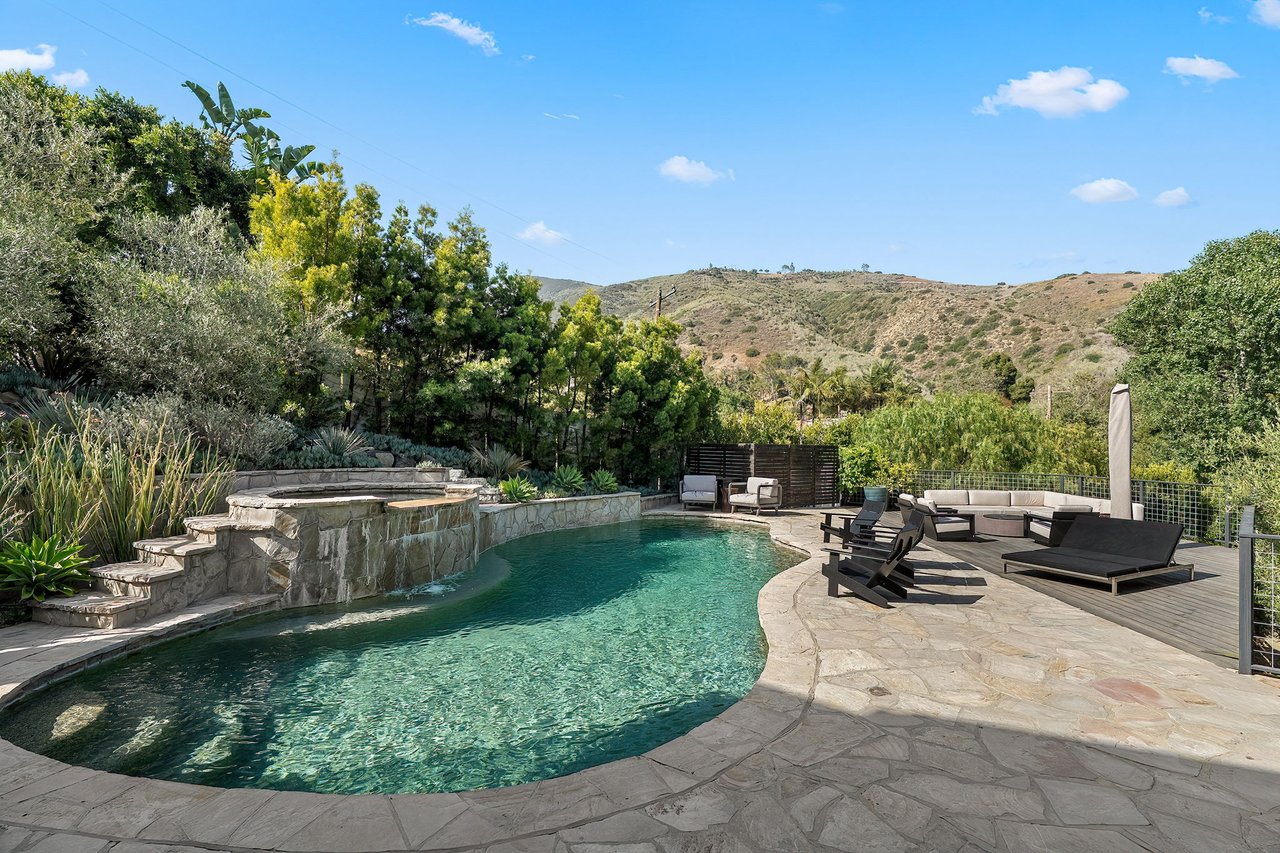
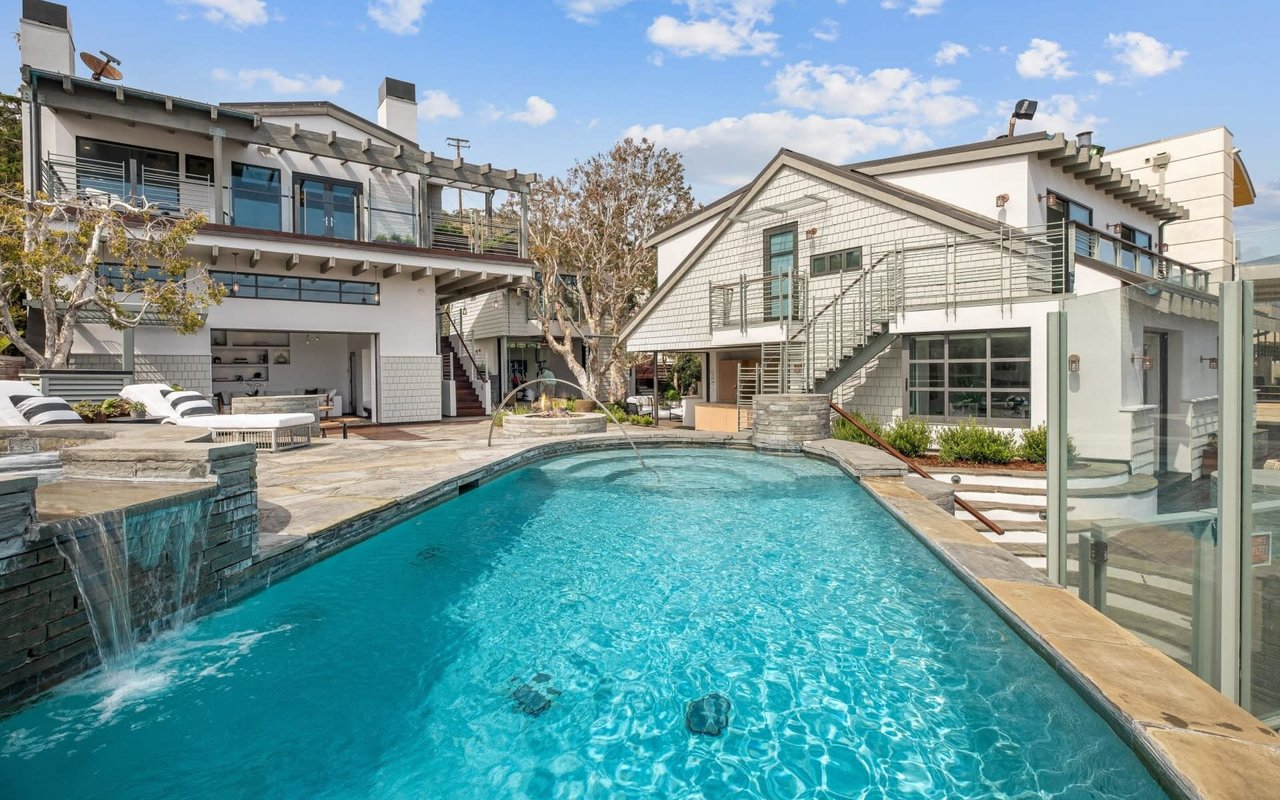
For a hillside home, examine how much outdoor space supports the way someone might use the property. Terraces, gardens, parking, access, and connections between indoor and outdoor areas can be more informative than acreage alone.
Consider two hypothetical properties: one has extensive sloping land; another has a smaller parcel with outdoor areas directly connected to the main living spaces. Buyers may evaluate those settings differently depending on their priorities.
Existing features should also be distinguished from future possibilities. Any suggestion about adding a pool, guest space, or other improvement needs appropriate investigation before it becomes part of the marketing.
Design and Condition Work Together
Architecture matters most when buyers can understand how the home functions.
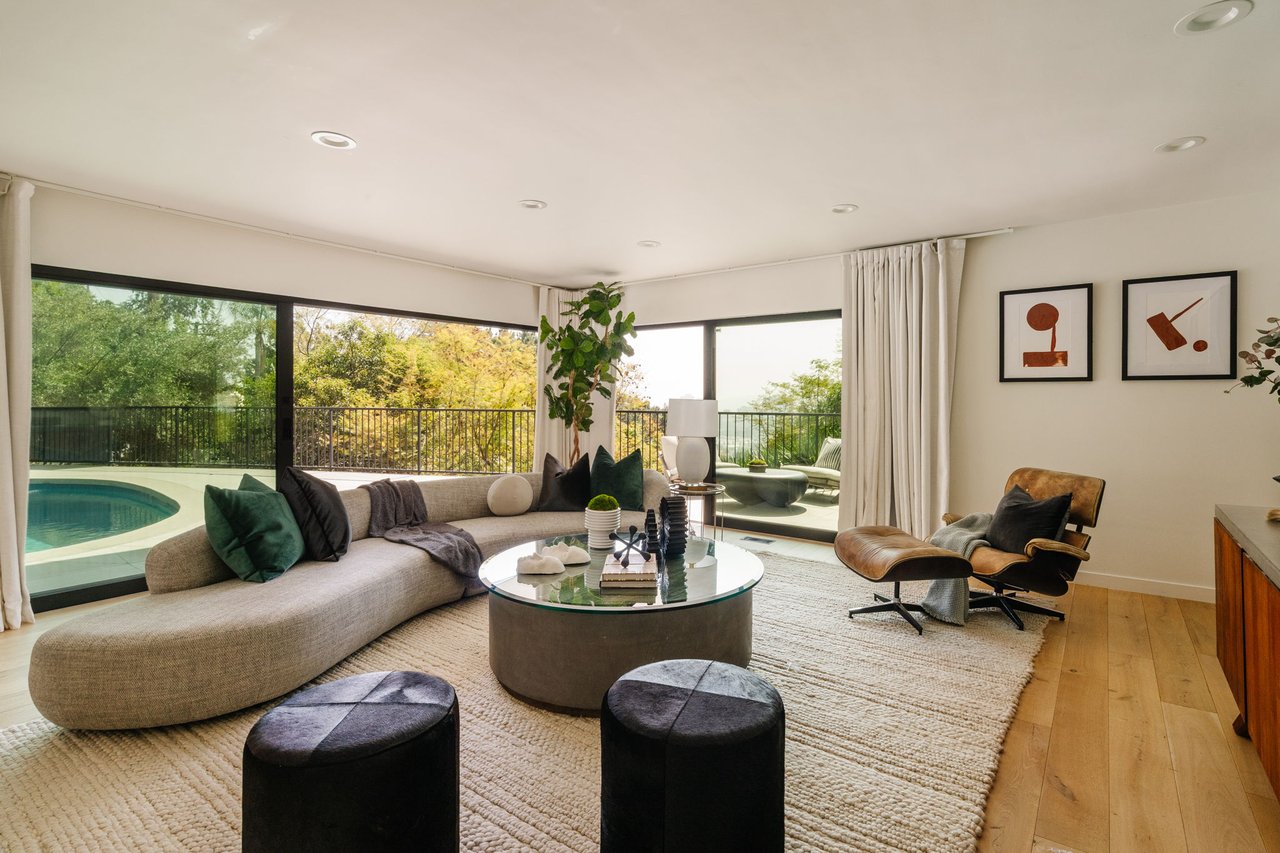
A coherent floor plan, comfortable room proportions, useful guest accommodations, and well-connected outdoor spaces can strengthen the presentation. Condition adds another layer: buyers will consider the work they may need to undertake and how that fits their plans.
For sellers, preparation should focus on making the home easy to understand and evaluate. Address visible maintenance, organize improvement records, and identify the features that deserve careful photography.
Renovation spending should be considered alongside market evidence. The amount invested in a project does not, by itself, establish what a buyer will pay for it.
Documented Access Deserves Precise Language
For a property marketed around beach access, clarity is essential.
Identify the rights associated with the specific home and have the relevant documents reviewed. Proximity to a beach, a public access route, and a recorded right benefiting a property describe different arrangements.
The same care applies to shared driveways, association facilities, and other features central to the ownership experience. Accurate information helps buyers compare properties and gives sellers a clearer basis for their presentation.
Comparable Sales Bring the Analysis Together
The strongest pricing discussion connects the home’s features to relevant transactions.
Fannie Mae’s appraisal guidance calls for comparisons that consider characteristics such as site, room count, finished area, style, and condition. Its adjustment guidance emphasizes market-supported differences. Although a listing-price analysis serves a different purpose from a lender’s appraisal, these principles offer useful discipline. Fannie Mae
Ask which sales are most relevant, where meaningful differences exist, and how those differences affect the recommendation. Active listings help show the choices currently available to buyers; completed sales provide evidence of agreed transaction prices.
A clear analysis should also acknowledge uncertainty, particularly when a property has few close comparisons.
Related Questions
Can I price my Malibu home using price per square foot?
Use it as one comparison measure. Review location, land, condition, views, and other differences before drawing a conclusion.
Does every ocean view add the same value?
No single premium should be assumed. Evaluate the actual view and the available sales evidence.
What should I gather before a pricing consultation?
Bring improvement records, available plans, access documents, and a list of features or conditions that may affect the comparison.
Considering selling in Malibu? Contact Stephen Udoff for a property-specific conversation about your home, the relevant market evidence, and a thoughtful pricing strategy.